
Womb to Wisdom: Nurturing: Learning from the Very Beginning
A government school teacher in rural India, at some point in their career, must have wondered why, despite their best efforts, some students are unable to progress in studies beyond a certain point.
The Annual Status of Education Report (ASER), an autonomous research and assessment unit established by Pratham in 2005, has been tracking learning outcomes in rural India for nearly two decades. Its findings, widely cited by the Government of India, the World Bank, UNESCO, and researchers worldwide, consistently show the same worrying trend:
- More than half of Class 5 children cannot read a Class 2–level text or solve a basic arithmetic problem at the same level.
- Even in Class 8, about one in four children continue to struggle with these foundational skills.
The 2024 ASER survey highlights that learning levels remain disturbingly low, with only marginal progress in some areas and declines in others. For Pratham Mysore, and especially its founding members who remain actively involved, this long-standing struggle felt like “love’s labour lost”. The passionate efforts by teachers and NGOs that were not yielding the lasting improvements hoped for.
With resources always scarce, innovation became the natural path forward. Seeking answers to why children fail to thrive as learners, Pratham Mysore began exploring whether the roots of poor performance in school lay much earlier Viz: in the health and nourishment of the child during the crucial years of brain development, starting from the womb.
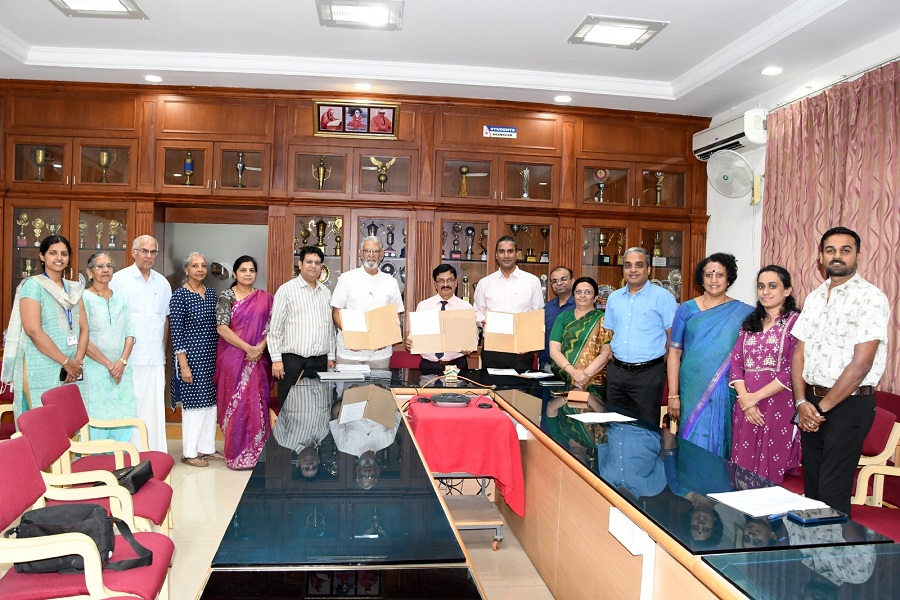
This line of inquiry, supported by growing scientific evidence and increasing endorsement from experts, encouraged Pratham Mysore to launch an ambitious new initiative: Womb to Wisdom. In partnership with two respected institutions – the JSS Academy of Higher Education & Research (JSS AHER) and the International Human Development Undertaking Academy or IHDUA, an NGO empowering women. Pratham Mysore has designed a long-term study to understand the link between maternal health, child development, and later learning outcomes
- Sample size: 400 pregnant women from rural Mysuru and Chamarajanagar districts.
- Groups:
- Intervention Group (200 women from Chamarajanagar) – to be provided with regular monitoring and nutritional support to ensure the health of both mother and fetus.
- Control Group (200 women from rural Mysuru) – to be monitored without intervention, serving as a comparison group.
- Tracking period: From pregnancy until the children are old enough to enter school or six years
- Oversight: A formal MoU ensures that the study adheres to the highest standards of research ethics and practice.